


 Lower Primary Programs
 Upper Primary Programs

 Youth Choices Programs


WA Mental Health Week returns from 4 – 11 October 2026, bringing Western Australians together to raise awareness, encourage meaningful conversations and help break down the stigma surrounding mental health challenges. This year’s theme, “Taking Control in the Face of Change,” focuses on the tools, habits and support systems people can use to protect their wellbeing during uncertain times.
For young people, schools can play an important role in building those skills. Schools can help students build the language to talk about mental health, recognise when something is wrong and understand where to seek support long after WA Mental Health Week 2026 is over.
What Does “Taking Control” Mean for Young People?
Cost-of-living pressures, housing uncertainty, climate change, AI and wider global events are among the changes highlighted by Mental Health Week that can leave people feeling they have limited control over their lives.
For students, taking control does not mean having an answer to every challenge. It can mean recognising what they can influence, including their habits, responses, relationships and willingness to ask for help. Helping students focus on the choices they can make can build resilience and make change feel more manageable.
Why Mental Health Education in Schools Matters
Mental health challenges affect a significant number of young Australians. The Australian Institute of Health and Welfare reports that almost 39% of people aged 16–24 experienced a mental disorder in the previous 12 months, based on the 2020–2022 National Study of Mental Health and Wellbeing. Anxiety disorders were the most common.
Schools therefore have an important opportunity to make wellbeing part of everyday culture rather than limiting the conversation to awareness events. A school culture that treats wellbeing as part of everyday learning can also help strengthen students’ sense of safety, belonging and connection.
Recognising the Signs — What Teachers and Parents Should Look For
Mental health challenges will not look the same for every teenager. Signs that a young person may need additional support can include withdrawing from activities, spending more time alone, changes in sleep or appetite, increased irritability, difficulty concentrating or a decline in school performance.
Teachers, school staff and families may be among the first to notice when these changes persist or when several signs appear together. A calm, non-judgemental conversation can give a young person an opportunity to explain what they are experiencing and seek further support.
Building Resilience and Optimism in the Classroom
Structured mental health programs in schools and youth mental health programs can move the conversation beyond simply telling students to ‘be resilient’. Interactive learning can give young people opportunities to explore difficult situations, consider their responses and practise different ways forward.
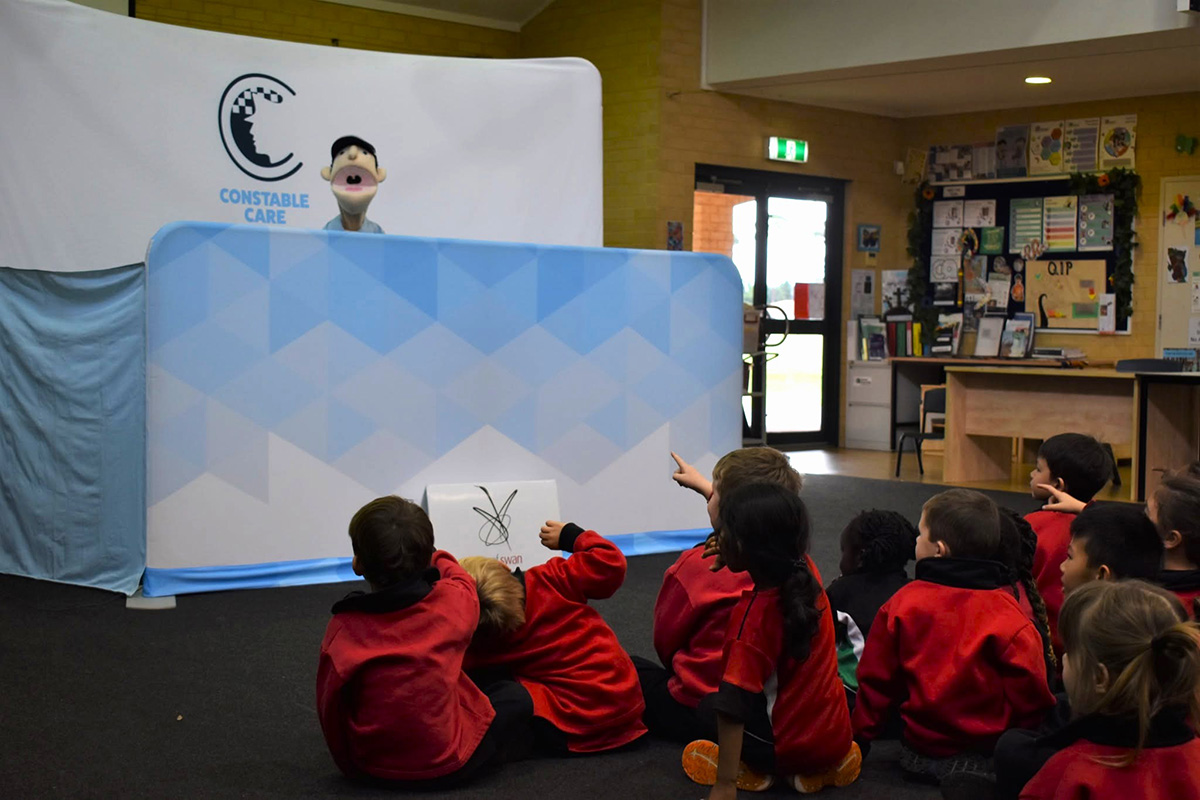
Constable Care uses this approach through Forum Theatre, where students can shape scenarios, suggest alternatives and test different responses.
Constable Care Foundation’s “Broken” Mental Health Youth Choices program helps secondary students explore early signs of declining mental health, recognise concerns in peers and family, reduce stigma and encourage help-seeking. The 90-minute program includes interactive student participation and is available free to WA schools.
Healthy Relationships as a Foundation for Mental Wellbeing
Bullying, coercive control and unhealthy relationship behaviours can place significant emotional and social pressure on young people. AIHW identifies bullying, isolation and strained relationships among the factors associated with psychological distress and mental health challenges in young people.
Constable Care’s “Controlling Behaviours” program helps Years 9–12 students recognise how behaviours such as checking a partner’s messages or controlling what they wear can escalate into coercive and abusive behaviour.
Constable Care’s “Healthy Relationships” Youth Choices program explores bullying, cyberbullying and their impacts through playbacks and student participation, allowing students to reconsider behaviours and their consequences.
Understanding Substance Use as a Mental Health Risk
Mental health, social pressure and substance use can overlap in complex ways. AIHW data shows substance use disorders remain among the mental health conditions affecting young Australians, while social and educational pressures can also contribute to psychological distress.
Constable Care’s Substance Use and Abuse program, developed in consultation with SDERA, explores motivations including fitting in, performance pressure and wanting to escape pressure.
Using Forum Theatre and a harm-reduction approach, students explore consequences, generate possible responses and practise making safer personal choices.
Practical Ways Schools Can Support Student Wellbeing Every Day
Mental Health Week can start conversations, but mentally healthy school cultures are built throughout the year. Practical steps can include:
- scheduling regular wellbeing check-ins
- making help-seeking pathways clear and easy to access
- training staff to recognise meaningful changes in student wellbeing
- creating opportunities for peer connection and support
- making it clear where students can raise concerns privately
The aim is to make wellbeing support visible and accessible throughout the year, rather than relying on students to seek help only when a problem reaches crisis point.
Interactive education can also help schools reinforce these conversations. Constable Care’s Youth Choices programs give secondary students opportunities to explore issues including mental health, relationships, bullying and substance use through scenarios and active participation.
How Families Can Help Young People Take Back Control
Families can reinforce these lessons at home by making mental health a normal topic of conversation. Parents and carers can start by asking open questions, listening without judgement and resisting the urge to immediately solve the problem.
Checking in regularly and taking noticeable changes seriously can also help young people feel supported.
When the same message is reinforced at school and at home, young people are more likely to understand that speaking up and seeking support are normal responses when something does not feel right.
Taking Control Starts with Education
Education can turn mental health awareness into practical skills students can use when they face pressure, uncertainty or change.
Constable Care Foundation’s Youth Choices programs use interactive theatre-in-education and digital media to give secondary students a safe environment to explore mental health, relationships, bullying, substance use and other real-world pressures.
Programs are developed in consultation with subject matter experts and Western Australian youth, providing direct input into the scenarios and issues explored.
For Mental Health Week WA, awareness is a starting point. Giving students opportunities to recognise challenges, practise safer choices and know when to seek help can turn those conversations into practical skills.